Allbirds, the eco-friendly shoe company that once commanded billion-dollar valuations, just executed one of the most audacious corporate pivots in recent memory. The struggling footwear retailer announced it’s abandoning shoes entirely to become an AI company, triggering a 590% stock surge that sent shares rocketing from $21 million to $148 million in market capitalization within 24 hours.
This isn’t innovation. This is desperation dressed up as disruption.
The Anatomy of a Desperate Pivot
Let’s cut through the noise: Allbirds was drowning. The company that once symbolized sustainable fashion had become a cautionary tale of post-pandemic reality checks. Their wool runners and tree dashers couldn’t run fast enough from plummeting sales, supply chain nightmares, and a consumer base that moved on to the next trendy thing.
Now they’re betting everything on artificial intelligence — a sector they have zero experience in, no infrastructure for, and frankly, no business entering. But here’s the kicker: it worked. At least temporarily.
“$BIRD — Friends scored nice profits! TreadWear pivoted sneakers to AI computing. Stock +590% on TreadAI rebrand” — @2ca02f2f1480862
The market’s reaction reveals a fundamental truth about today’s investment landscape: AI has become the ultimate magic word, capable of transforming any dying business into a speculative goldmine overnight.
Historical Precedent: When Desperate Companies Chase Hot Trends
This isn’t the first time we’ve witnessed such corporate theater. During the dot-com bubble, established companies frantically added “.com” to their names to capture investor enthusiasm. Long Island Iced Tea Corp became Long Blockchain Corp in 2017, triggering a 183% stock surge before the SEC stepped in.
The pattern is always the same:
- Identify a struggling company with name recognition
- Announce a pivot to the hottest sector (AI, blockchain, crypto)
- Watch retail investors flood in based on headlines alone
- Cash out before reality sets in
Kodak pulled a similar stunt in 2020 when it announced a pharmaceutical pivot during the pandemic, sending shares up 2,757% in two days. Hertz saw its stock quintuple while literally in bankruptcy proceedings. The market’s capacity for irrational exuberance remains limitless.
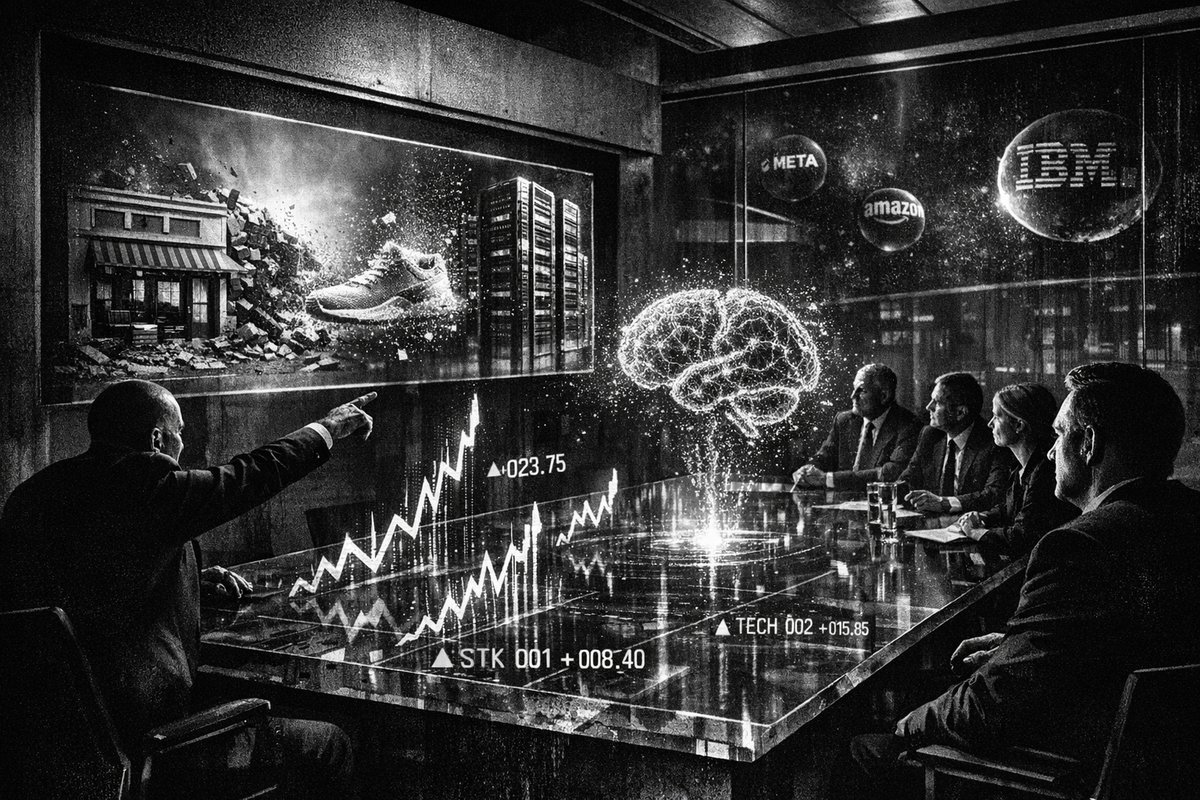
The AI Gold Rush Creates Dangerous Precedents
What makes Allbirds’ transformation particularly egregious is the complete abandonment of their core business. This isn’t a diversification strategy — it’s corporate identity theft. They’re not leveraging existing capabilities or customer relationships. They’re essentially starting from scratch while riding the coattails of their previous brand recognition.
Consider the operational reality: Allbirds has supply chains optimized for wool and eucalyptus fiber processing, retail partnerships focused on sustainable fashion, and a workforce trained in apparel design and manufacturing. None of these assets translate to artificial intelligence development.
“Should we tell $NKE to pivot and rebrand to AI? Its not too late 😊” — @valerijatrades1
The market’s willingness to reward such radical pivots creates perverse incentives across entire sectors. Why invest in research and development, customer acquisition, or operational efficiency when you can simply rebrand?
The Retail Investor Feeding Frenzy
The 600% surge wasn’t driven by institutional investors or sophisticated algorithms. This was pure retail euphoria — day traders and meme stock enthusiasts chasing momentum without regard for fundamentals. Social media amplified the frenzy, with traders celebrating massive gains while completely ignoring the underlying business transformation.
The lack of circuit breakers in US markets allowed this speculation to reach extreme levels. In contrast, many international exchanges would have halted trading multiple times, forcing a cooling-off period for rational analysis.
“Beginilah kalau pasar saham nggak ada ARA atau ARB, satu saham bisa naik +582% dalam sehari” — @desmondwira
This observation about the absence of automatic rejection limits highlights a crucial difference between market structures and their ability to contain speculative excess.
What This Means for Market Integrity
The Allbirds phenomenon exposes several critical weaknesses in our current market ecosystem:
- Regulatory gaps that allow companies to make dramatic business model changes without proper disclosure timelines
- Information asymmetry where retail investors make decisions based on headlines rather than detailed business analysis
- Social media amplification that turns stock movements into viral content, attracting more speculative capital
- Lack of cooling-off mechanisms that might prevent such extreme single-day movements
The Inevitable Reality Check
History suggests this euphoria won’t last. Allbirds now faces the impossible task of actually building an AI business from nothing while managing investor expectations set by a 590% stock surge. They’ll need to demonstrate concrete progress in artificial intelligence development, secure talent with relevant expertise, and compete against established players with years of head starts.
The company’s $148 million market capitalization assumes they can successfully execute this transformation. Given their track record of declining shoe sales and the complexity of AI development, that’s a bet most rational investors wouldn’t take.
The Broader Implications
This episode represents more than just one company’s desperate gambit — it’s a symptom of market dynamics that reward narrative over substance. When struggling businesses can achieve massive valuations simply by invoking artificial intelligence, we’re creating an environment that discourages genuine innovation in favor of financial engineering.
The real victims aren’t just the investors who’ll lose money when reality sets in. It’s the legitimate AI companies that must now compete for attention and capital in an environment saturated with pretenders and pivots.
Allbirds’ transformation from sustainable footwear to artificial intelligence company will likely be remembered as a perfect example of how market euphoria can temporarily override basic business logic — until it doesn’t.
Published in Stream · Dispatch #203 · April 16, 2026 · 5 min read.
Reply to paolo@mont3.ch - every email gets a human answer within 24h.