For years, blockchain evangelists promised a financial revolution. Decentralized money! Trustless transactions! Banking for everyone! What they delivered instead was a system where sending $10 worth of tokens could cost $50 in fees during peak hours. The dirty secret? Blockchains were never broken—they were designed to be slow and expensive. Now, Layer 2 scaling solutions are finally delivering on blockchain’s original promise, and the transformation is nothing short of spectacular.
The Deliberate Design Flaw That Nearly Killed Crypto
Here’s what most people don’t understand: blockchain slowness isn’t a bug, it’s a feature. Ethereum processes a pathetic 15-30 transactions per second while Visa handles 24,000. This isn’t an engineering oversight—it’s the price of decentralization.
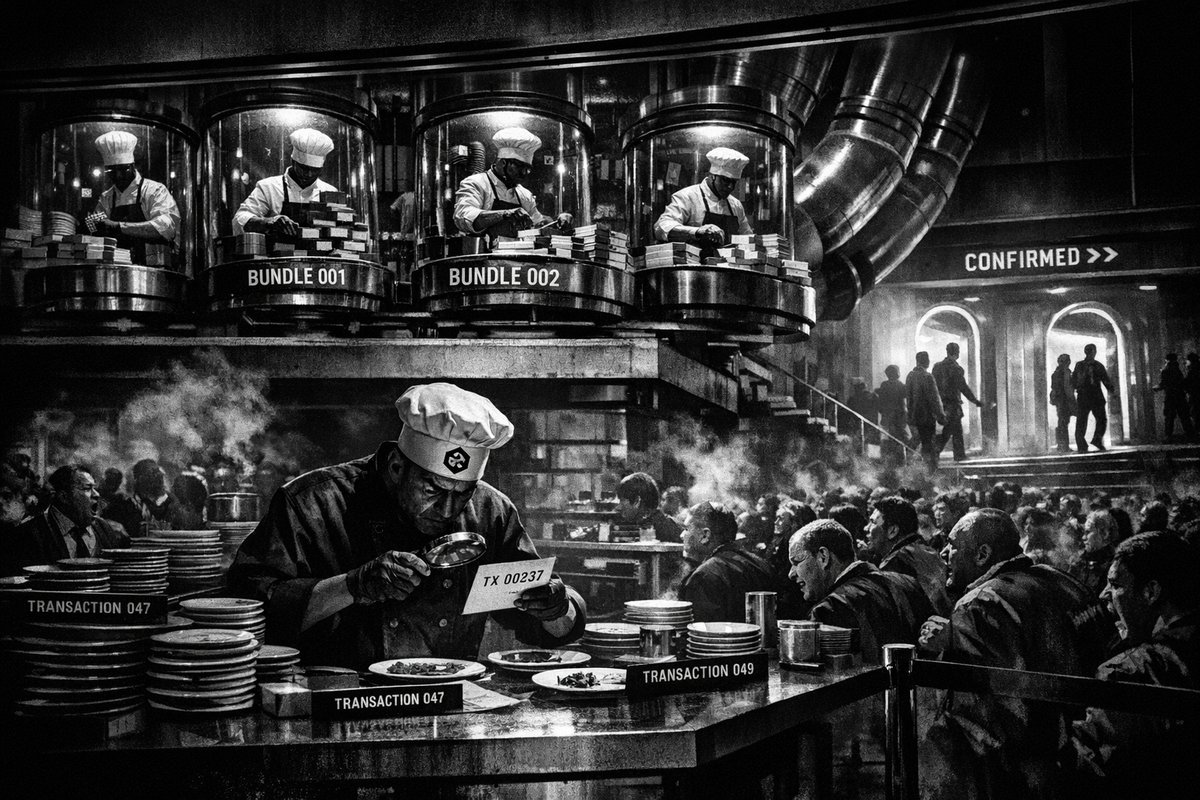
Every node in the network must independently verify every transaction. It’s like having a restaurant where the head chef personally inspects every ingredient, prepares every dish, and plates every order. Secure? Absolutely. Efficient? Not even close.
This design choice nearly strangled crypto adoption in its crib. During 2021’s peak congestion, Ethereum gas fees regularly hit $20-50 per transaction. Imagine paying $30 to buy a $10 coffee—that’s the user experience blockchain delivered to millions of frustrated users.
Layer 2: The Infrastructure Revolution Actually Working
Layer 2 networks represent the most significant infrastructure breakthrough since the internet moved from dial-up to broadband. These secondary frameworks process transactions off-chain while inheriting the security guarantees of the underlying blockchain.
Think of it like the evolution of transportation systems. Layer 1 is the interstate highway system—essential infrastructure that everything depends on, but not where you do your daily driving. Layer 2 is the network of city streets, neighborhood roads, and driveways that actually get you where you need to go.
The Technical Approaches That Matter
The Layer 2 landscape has crystallized around several core technologies:
- Optimistic Rollups (Arbitrum, Optimism): Assume transactions are valid unless challenged, simple to build but require 7-day withdrawal delays
- ZK Rollups (zkSync, Starknet): Use cryptographic proofs to verify transactions, enabling instant withdrawals but computationally intensive
- State Channels (Lightning Network): Allow unlimited transactions between two parties off-chain, perfect for payments but limited for complex applications
- Plasma: Early child-chain approach mostly superseded but influential in modern designs
Zero-knowledge rollups are increasingly viewed as the long-term winner. As ZK proof technology matures, they offer the perfect combination of speed, security, and user experience.
“Most scaling discussions focus on execution layers, rollups, or new consensus mechanisms. These are important — but they all sit on top of something more fundamental: how data actually moves between nodes. If data propagation remains slow and bandwidth-heavy, everything built above it inherits those limitations.” — @Kafarik_Dark
The Numbers Don’t Lie: Real Performance Gains
The transformation is measurable and dramatic. Arbitrum One regularly processes transactions for under $0.05. zkSync Era handles simple transfers for fractions of a cent. Compare this to Ethereum mainnet’s peak fees of $20-50 and the improvement becomes staggering.
Transaction speeds have undergone a similar revolution. Arbitrum and Optimism confirm transactions in under two seconds. Base (Coinbase’s Layer 2) processes millions of daily transactions with the smooth user experience people expect from modern fintech apps.
This isn’t theoretical—it’s happening now. Billions of dollars in transactions flow through Layer 2 networks daily, proving that blockchain technology can finally deliver on its usability promises.
The Economic Implications: Why Layer 2 Success Transforms Everything
Layer 2 networks create a fascinating economic paradox. They don’t compete with Ethereum—they make it more valuable. Every rollup pays fees to post data to Ethereum’s base layer, creating sustained demand for ETH as the settlement currency.
Some analysts worry that Layer 2 adoption could suppress ETH fee revenue by moving activity off-chain. This thinking misses the bigger picture entirely. Layer 2 solutions massively expand Ethereum’s total addressable market by onboarding millions of users who would never tolerate $30 gas fees.
The result? ETH becomes the reserve asset of a thriving multi-chain economy, similar to how the US dollar anchors international trade despite most transactions happening in local currencies.
“BITCOIN DEVELOPER BURAK UNVEILS “CUBE” BTC LAYER 2, CALLS IT THE “HOLY GRAIL”. Cube is a Bitcoin-native execution layer that combines Ark-style unilateral exits, BitVM dispute resolution, and a programmable virtual machine.” — @BitcoinNewsCom
Even Bitcoin, traditionally hostile to complexity, is embracing Layer 2 innovation. Cube represents a potential breakthrough in bringing smart contract functionality to Bitcoin without sacrificing its security model.
The Historical Parallel: From Mainframes to Personal Computing
The blockchain scaling solution mirrors a classic pattern in technology evolution. In the 1970s, mainframe computers were powerful but centralized and expensive to access. The breakthrough wasn’t building faster mainframes—it was creating personal computers that could handle most tasks locally while connecting to the mainframe when needed.
Layer 2 networks follow the same logic. Instead of trying to make Layer 1 faster (which would compromise decentralization), they create specialized environments that handle specific tasks efficiently while settling final state to the secure base layer.
This architectural approach has proven successful across industries: - Internet protocols: TCP/IP provides reliable transport while HTTP handles web applications - Financial systems: Local banks handle daily transactions while central banks manage monetary policy - Computing: Operating systems manage hardware while applications handle user interactions
The Infrastructure War Is Just Beginning
While Layer 2 networks have solved the immediate scaling crisis, the next phase of competition will be fierce. Data propagation, cross-chain interoperability, and developer experience represent the new battlegrounds.
“Looking to manage your Ethereum transactions better? Keep an eye on gas fees, use limit orders, and consider layer 2 solutions for faster processing. Staying organized can save you time and money!” — @abofaris_19
The user experience has already improved dramatically, but the infrastructure supporting these networks continues evolving rapidly. Random Linear Network Coding, ephemeral rollups, and ZK-powered gaming infrastructure represent the cutting edge of what’s coming next.
Conclusion: The Promise Finally Delivered
Layer 2 scaling represents more than a technical upgrade—it’s the fulfillment of blockchain’s original promise. The technology that once charged $40 to swap tokens now offers the same functionality for less than a penny with identical security guarantees.
The era of blockchains being “too slow for real use” is definitively over. What we’re witnessing isn’t just incremental improvement—it’s the infrastructure foundation that will support the next billion blockchain users. The revolution isn’t coming anymore. It’s here, it’s working, and it’s processing billions of dollars daily.
The networks that seemed hopelessly broken just three years ago are now delivering user experiences that rival traditional fintech applications. That’s not evolution—that’s transformation.
Published in Stream · Dispatch #412 · May 31, 2026 · 6 min read.
Reply to paolo@mont3.ch - every email gets a human answer within 24h.