The healthcare industry just witnessed another seismic shift. Roche, the Swiss pharmaceutical giant, has agreed to acquire PathAI for up to $1 billion — $750 million upfront plus $300 million in milestone payments. This isn’t just another tech acquisition; it’s a clear signal that artificial intelligence in medical diagnostics has moved from experimental curiosity to mission-critical infrastructure.
The Strategic Chess Move
Roche’s acquisition of PathAI represents more than a simple technology purchase — it’s a calculated power play in the rapidly evolving diagnostic landscape. The deal will integrate PathAI’s Image Management System (IMS) directly into Roche’s Diagnostics division, creating what could become the industry’s most comprehensive AI-driven pathology platform.
Digital pathology has reached an inflection point similar to what we witnessed with electronic health records in the early 2000s. Just as EHRs transformed from optional tools to mandatory infrastructure, AI-powered diagnostic platforms are becoming essential for competitive healthcare delivery.
PathAI’s crown jewel is their AIM-NASH technology, which earned FDA qualification in December — a regulatory first for AI-powered liver disease assessment. This cloud-based platform can analyze liver biopsies with unprecedented precision, scoring fat infiltration, inflammation, and scarring stages that previously required extensive manual review by specialized pathologists.
“Huge news for the Boston healthcare startup ecosystem with Roche announcing they’re buying PathAI for $1B in consideration ($750M upfront and $300M in milestone payments).” — @dvasishtha
Historical Context: When Giants Acquire Innovation
This acquisition follows a well-established pattern in healthcare technology consolidation. Consider IBM’s $1 billion acquisition of Red Hat in 2019, or Microsoft’s $19.7 billion purchase of Nuance Communications in 2021. In each case, established technology leaders recognized that internal R&D couldn’t match the innovation velocity of specialized startups.
The PathAI deal mirrors Google’s 2014 acquisition of DeepMind for approximately $500 million. Both transactions involved established giants acquiring AI specialists with proven track records in complex pattern recognition — DeepMind in gaming and general AI, PathAI in medical imaging analysis.
What makes this acquisition particularly significant is the five-year partnership history between Roche and PathAI, dating back to 2021. This extended courtship period allowed both companies to validate technical compatibility and strategic alignment — a luxury rarely available in hostile takeovers or competitive bidding wars.
Technical Capabilities: Beyond Basic Image Analysis
PathAI’s technology stack extends far beyond simple image recognition. Their platform combines:
- Machine learning algorithms trained on millions of pathology samples
- Cloud-based processing infrastructure for real-time analysis
- Workflow integration tools that seamlessly connect with existing laboratory systems
- Clinical trial support capabilities for pharmaceutical development
- Translational research tools for biomarker discovery
The company’s AISight Image Management System represents a fundamental shift from reactive to predictive diagnostics. Instead of waiting for human pathologists to identify abnormalities, the system can flag potential issues, suggest additional testing protocols, and even predict treatment responses based on tissue characteristics.
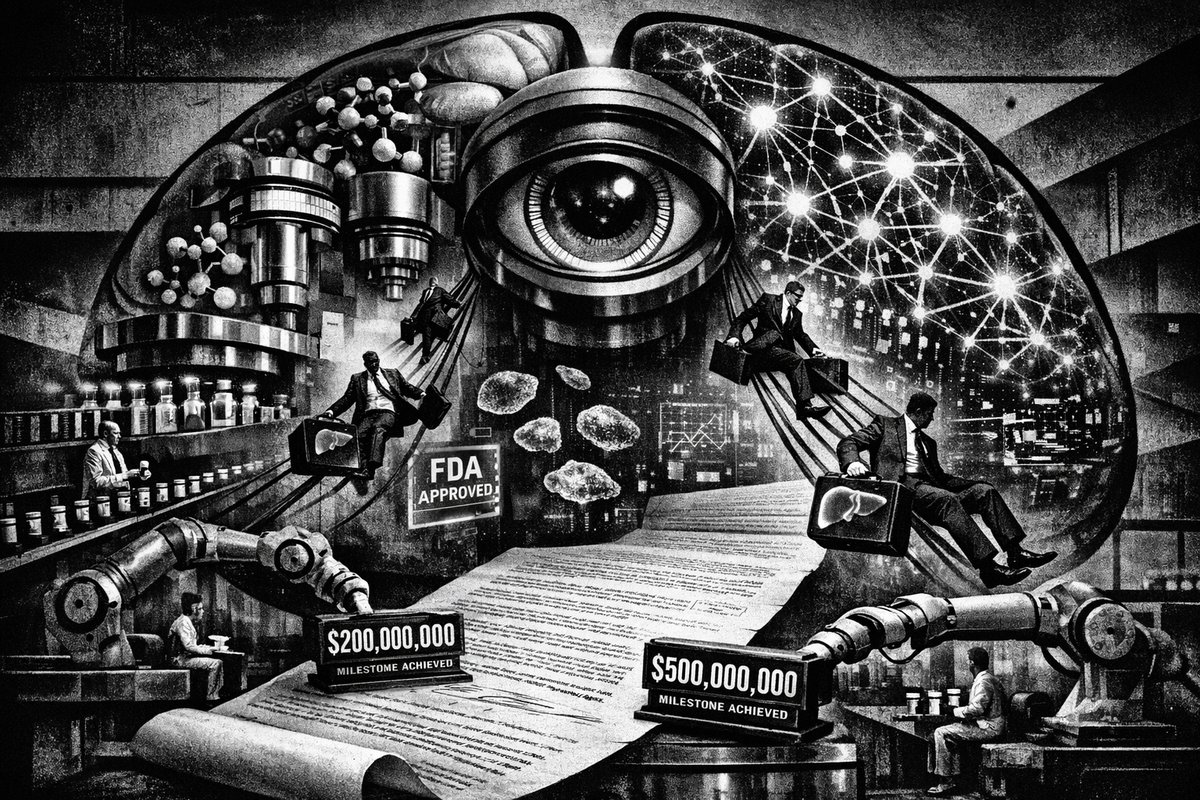
Market Impact: The Diagnostic Arms Race
Roche’s aggressive move puts immediate pressure on competitors like Abbott, Siemens Healthineers, and Danaher. The diagnostic equipment market, valued at approximately $78 billion globally, is experiencing rapid consolidation as traditional players scramble to acquire AI capabilities.
This acquisition creates several immediate market dynamics:
- Increased R&D pressure on competing diagnostic companies
- Higher valuations for remaining AI-focused healthcare startups
- Accelerated timeline for AI integration across the industry
- Enhanced bargaining power for Roche in hospital system negotiations
“Roche has already been a leader in digital pathology and software as a medical device so this makes a ton of sense. They also get one of the earliest successful healthcare AI teams to join their business.” — @dvasishtha
The Broader Transformation
Matt Sause, CEO of Roche Diagnostics, emphasized that this acquisition will enable “better-tailored treatment regimens” through improved precision diagnosis. This language signals a fundamental shift from one-size-fits-all medicine to truly personalized healthcare delivery.
The integration of PathAI’s capabilities with Roche’s existing companion diagnostics expertise creates powerful synergies. Companion diagnostics — tests that determine whether patients will respond to specific treatments — represent one of the fastest-growing segments in personalized medicine.
Consider the parallel with 23andMe’s impact on consumer genetics. What started as curiosity-driven ancestry testing evolved into actionable health insights. Similarly, PathAI’s technology transforms routine pathology from descriptive reporting to predictive analytics.
Implementation Challenges and Opportunities
The deal’s second-half 2026 closing timeline provides crucial integration planning time. Merging AI-driven startups with established pharmaceutical operations requires careful attention to:
- Regulatory compliance across multiple global markets
- Data privacy requirements in different jurisdictions
- Technical infrastructure integration without disrupting existing workflows
- Talent retention of PathAI’s specialized AI development team
Success will depend on Roche’s ability to scale PathAI’s platform globally while maintaining the innovation velocity that made the acquisition attractive. Historical precedent suggests this balance is achievable but requires dedicated leadership focus.
Future Implications: The Next Five Years
This acquisition positions Roche at the forefront of the $10 billion AI diagnostics market projected for 2030. More importantly, it establishes a template for how traditional healthcare companies can successfully integrate cutting-edge AI capabilities.
The ripple effects will extend beyond diagnostics into treatment selection, drug development timelines, and clinical trial design. When diagnostic accuracy improves dramatically, the entire healthcare delivery model must adapt accordingly.
The PathAI acquisition represents more than corporate strategy — it’s a fundamental bet on AI’s ability to transform medical practice. As this technology scales globally through Roche’s distribution network, we’re likely witnessing the beginning of pathology’s digital revolution, not just another technology deal.
The question isn’t whether AI will transform medical diagnostics — PathAI’s FDA qualification already proved that. The question is which companies will lead that transformation and how quickly traditional healthcare systems will adapt to these new capabilities.
Published in Stream · Dispatch #296 · May 8, 2026 · 5 min read.
Reply to paolo@mont3.ch - every email gets a human answer within 24h.