The artificial intelligence revolution promised to transform everything from finance to manufacturing. But as Q1 2026 earnings roll in, a different story is emerging. Financial firms like Stifel Financial Corp (SF) are facing mounting pressure from AI-related concerns, signaling a broader shift in market sentiment toward the technology that was supposed to change the world.
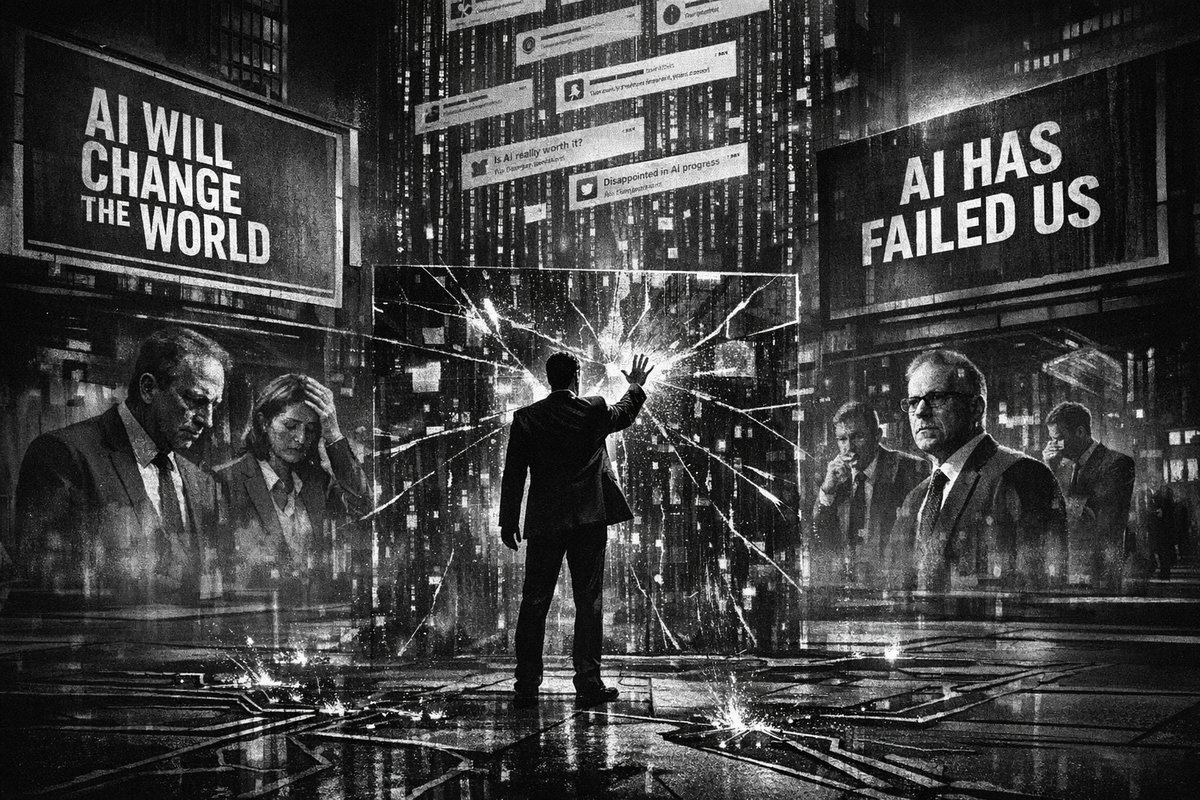
This isn’t just another quarterly dip. We’re witnessing the first major market correction of inflated AI expectations colliding with operational realities. The parallels to previous technology bubbles are impossible to ignore.
The Great AI Reality Check
The current AI market turbulence bears striking similarities to the dot-com crash of 2000-2001. Back then, companies with “.com” in their names saw their valuations soar regardless of actual revenue or sustainable business models. Today, we’re seeing a similar pattern with AI-branded investments.
Stifel Financial’s Q1 struggles represent more than isolated corporate difficulties. They’re symptomatic of a broader market awakening to the gap between AI promises and deliverable results. Unlike the internet boom, which eventually delivered transformative value, AI’s immediate practical applications remain frustratingly narrow for many industries.
“What happens when you systematically oversell the value of your product for years, while pretty much screwing society along the way? Eventually your customers figure it out.” — @GaryMarcus
This sentiment captures the growing public skepticism that’s now bleeding into financial markets. The AI hype cycle promised revolutionary changes that simply haven’t materialized at the scale or speed investors expected.
Infrastructure Reality Bites
While some investors chase AI stocks, others are betting on the infrastructure required to power artificial intelligence systems. The energy demands of AI data centers are staggering – a single training run for a large language model can consume as much electricity as 300 homes use in a year.
Maine’s decision to halt large data center construction until 2027 over energy and water concerns represents a growing trend. Local communities are pushing back against the massive resource requirements of AI infrastructure, creating regulatory headwinds that investors failed to anticipate.
This infrastructure bottleneck mirrors the railroad speculation of the 1840s, when investors poured money into railway companies without considering the practical challenges of building transcontinental networks. Many railway companies went bankrupt, but the infrastructure they left behind eventually powered America’s industrial revolution.
The Social Backlash Accelerates
Beyond market concerns, AI is facing unprecedented social resistance. Young people are using AI for increasingly personal tasks – from writing breakup texts to handling difficult conversations – raising concerns about social offloading and the erosion of genuine human communication skills.
“Political anger is rising about AI. Most people are pessimistic, which means we have an opportunity. There will be increasing resistance to AI, largely driven by financial and economic concerns.” — @DaveShapi
The comparison to previous technological disruptions is instructive. The Luddite movement of the early 1800s emerged when textile workers destroyed machinery they believed threatened their livelihoods. Today’s AI resistance follows similar patterns:
- Economic anxiety about job displacement
- Cultural concerns about authentic human interaction
- Political mobilization around technology regulation
- Local resistance to infrastructure development
Unlike the industrial revolution, which took decades to fully unfold, AI promised immediate transformation. This compressed timeline has created unrealistic expectations and accelerated backlash.
Financial Markets Recalibrate
The current market correction reflects a fundamental recalibration of AI valuations. Financial institutions that heavily invested in AI capabilities are discovering that implementation costs far exceed initial projections, while return on investment remains elusive.
Stifel’s Q1 difficulties likely stem from overinvestment in AI systems that haven’t delivered promised efficiency gains. The company’s experience mirrors that of many financial firms that rushed to adopt AI without fully understanding integration challenges or calculating total cost of ownership.
This pattern resembles the mainframe computer adoption of the 1960s and 1970s. Companies spent enormous sums on IBM systems, expecting immediate productivity gains. Instead, they discovered that technology alone couldn’t solve organizational inefficiencies or replace human expertise.
The Path Forward
The AI market correction doesn’t signal the end of artificial intelligence – it represents market maturation. Just as the dot-com crash led to the emergence of sustainable internet businesses like Google, Amazon, and Facebook, the current AI recalibration will likely separate genuine innovation from speculative hype.
Smart investors are already repositioning. Rather than chasing AI software companies with uncertain business models, some are focusing on the fundamental infrastructure requirements: energy generation, data centers, and specialized computing hardware.
The key lesson from technology history is clear: revolutionary technologies typically take longer to develop and implement than initially expected, but their ultimate impact often exceeds early projections. The telegraph took 30 years to span continents. The internet required 20 years to achieve mass adoption. AI’s timeline will likely follow similar patterns.
Conclusion
The AI backlash hitting financial markets represents a necessary correction in a technology sector that promised too much, too soon. Stifel Financial’s Q1 struggles offer a preview of broader market adjustments as companies and investors confront the gap between AI hype and operational reality.
History suggests that this correction, while painful for early investors, will ultimately lead to more sustainable AI development focused on practical applications rather than speculative promises. The companies that survive this recalibration will be those that can demonstrate genuine value creation rather than technological novelty.
The AI revolution isn’t ending – it’s just beginning to grow up.
Published in Stream · Dispatch #206 · April 16, 2026 · 5 min read.
Reply to paolo@mont3.ch - every email gets a human answer within 24h.